Tokushima Prefecture Zone (Inside the Kansai Pavilion)
Exhibition Location
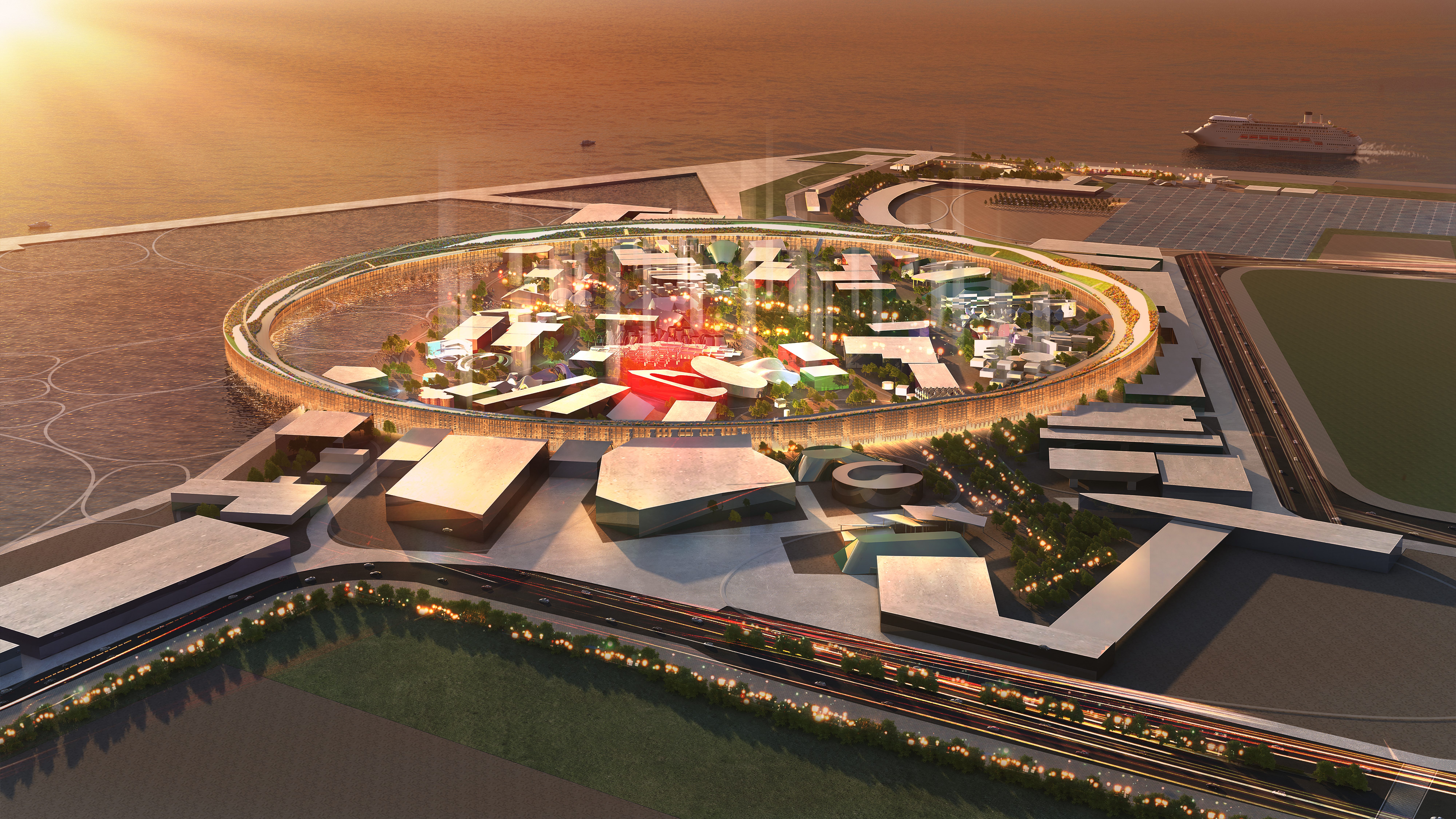
Tokushima Prefecture will be participating in the Kansai Pavilion, established by the Kansai Regional Union. The Tokushima Zone is located just inside the East Gate of the Expo venue, easily accessible from Yumeshima Station on the Osaka Metro Chuo Line. It is adjacent to the Osaka Healthcare Pavilion. The Kansai Pavilion is a striking white hexagonal structure inspired by the form of a traditional paper lantern, wrapped in a translucent membrane.
Provided by: Japan Association for the 2025 World Exposition
Provided by: The Union of Kansai Governments
Zone Theme
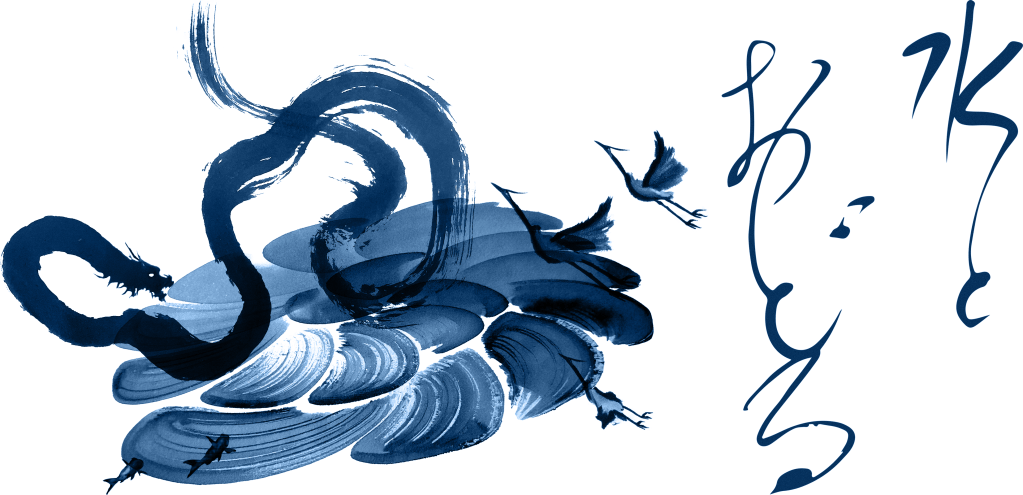
Where Water Flows (Japanese: 水とおどる, lit. “To Dance with Water”)
The Yoshino River sustains daily life in Tokushima. At times, its waters have overflowed during typhoons, but the people here have never been paralyzed by hardship. Instead, they embraced it — transforming the sediment left behind by floods into sukumo, the fermented base of Japan’s iconic indigo dye.
This ability to turn adversity into value speaks to the resilient spirit of Tokushima. It’s the same spirit echoed in the chant of Awa Odori: "Odoru aho ni miru aho, onaji aho nara odorana son son." (A dancing fool and a watching fool — if both are fools, you might as well dance!)
This outlook — flowing with change and moving forward with joy — is the heart of Where Water Flows. The theme suggests that where water flows, life dances — a reflection of Tokushima’s way of living: in rhythm with nature, resilient in the face of challenge, and always ready to move with grace.
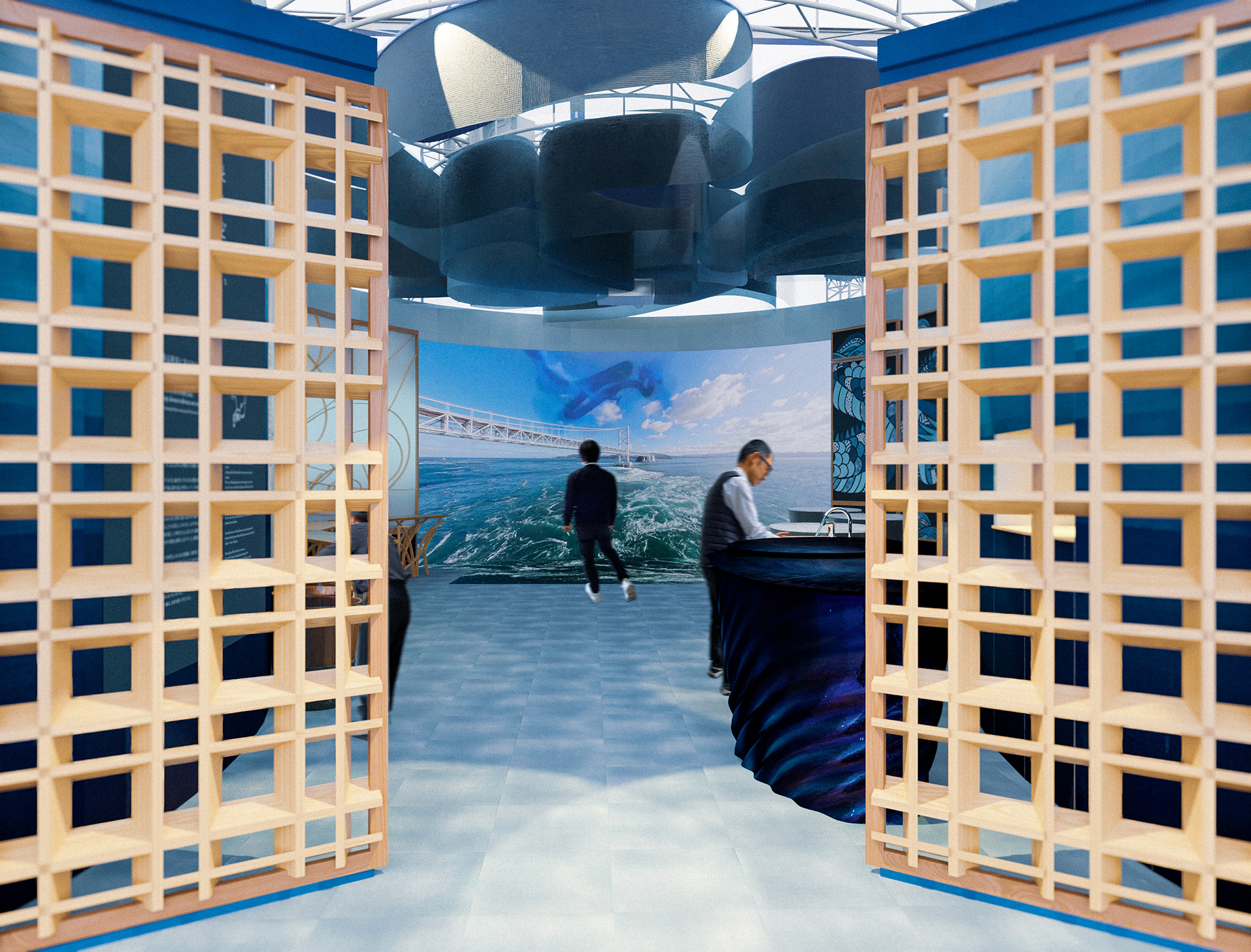
In A Prayer to Life, we showcase traditional Tokushima crafts—Awa washi paper, Awa indigo dyeing, and Awa Sashimono woodworking. Shoji screens and furnishings made from Awa Sashimono stand against walls of indigo-dyed Awa washi, creating an immersive expression of Tokushima’s beauty and the enduring spirit behind its craft.
Now Area
Life Dances
In Life Dances, dynamic projection mapping fuses live-action and CG to immerse you in the many faces of Tokushima—from the flow of the Yoshino River and Naruto Whirlpools to daily life in nature and the vibrant rhythms of Awa Odori. Here, the movement of life and landscape comes alive before your eyes.
Future Area
The Circle of Life
The Circle of Life presents works inspired by a sustainable future for Tokushima, created in collaboration with local residents. Reflecting the region’s culture, spirit, and bond with nature, the exhibit also highlights efforts to create new value—through partnerships within the community and beyond.
Meet the Creators
Sashimono-shi, Modern Day Master Craftsman
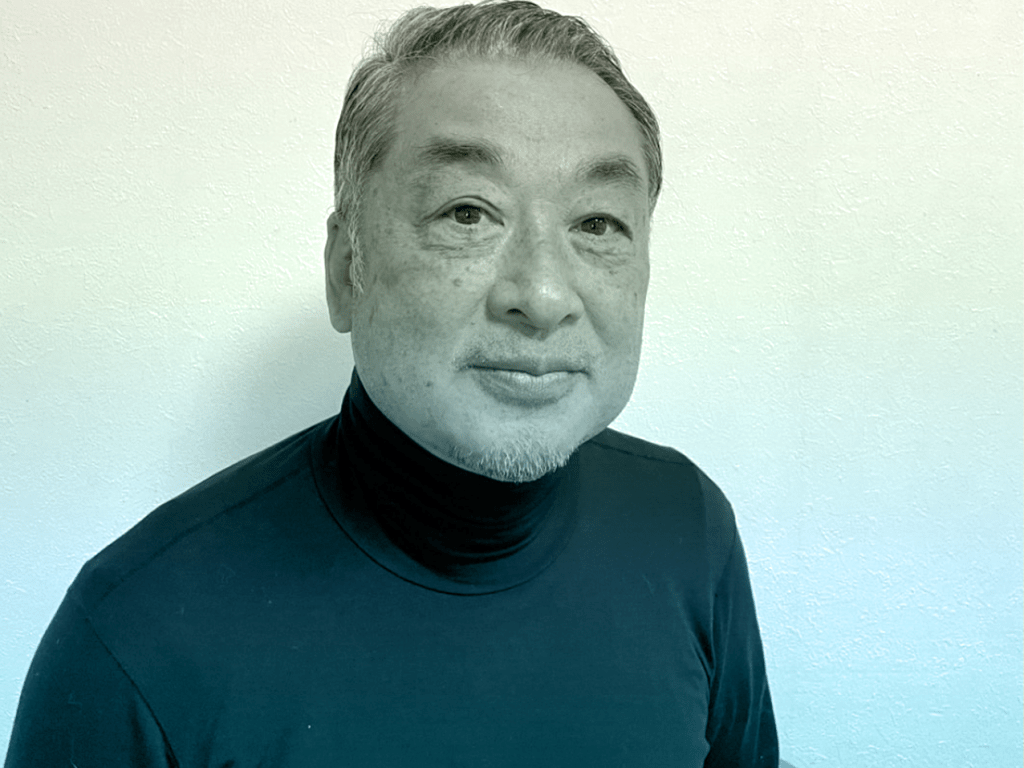
Keiji Tominaga
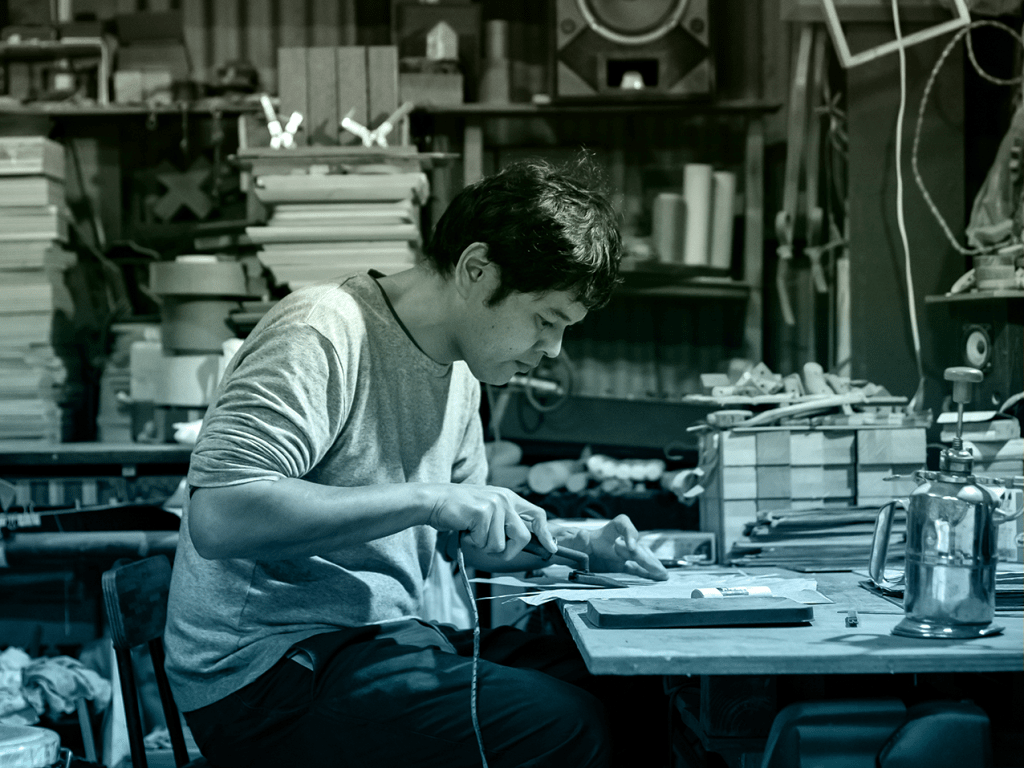
Awa Sashimono is a traditional woodworking technique that involves joining pieces of wood without using nails — instead, everything is fitted together with wooden joints. It’s a delicate skill that’s been passed down and refined over many years, evolving alongside Tokushima and adapting to the local climate. For this Expo, we’re trying to bring together that traditional craftsmanship with modern spatial design. We want to explore how far Tokushima’s woodworking can go — not just as a cultural heritage, but as something that still has creative potential today. We really hope visitors can feel the warmth and detail of handmade work when they see our Sashimono on display. At the same time, one of our goals is to make sure this technique is carried into the future. Since the Expo brings together people from all over the world, we see it as a great opportunity to share the charm of Awa Sashimono and maybe even inspire new ideas that can be passed on to the next generation.
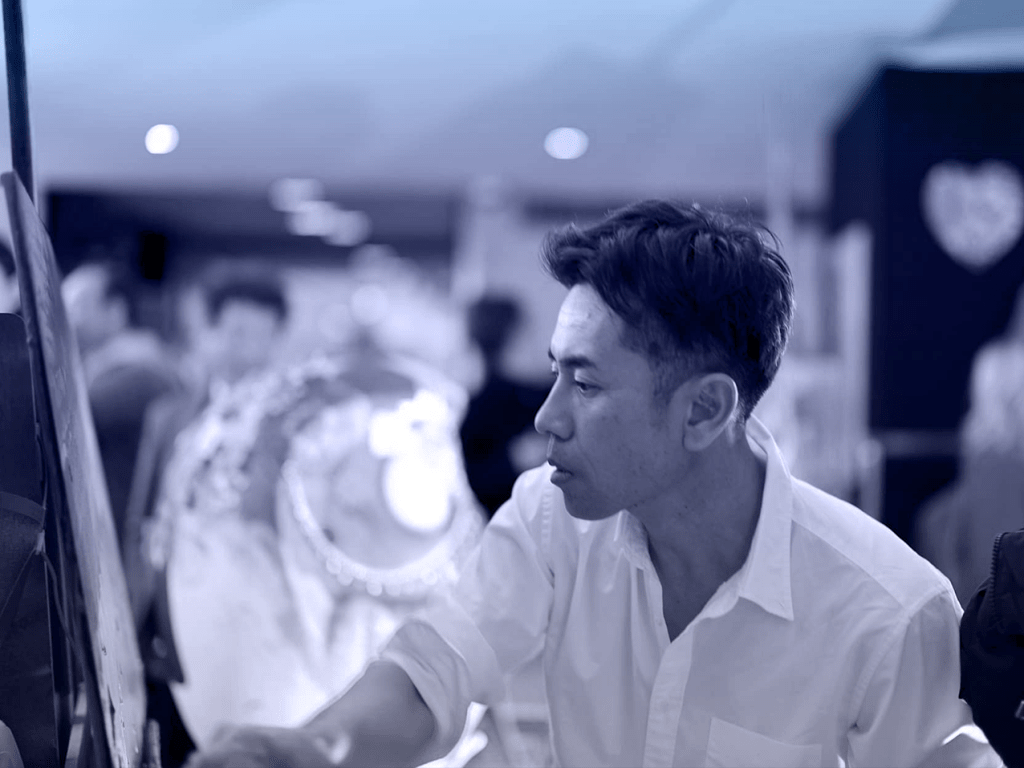
In the past, indigo-dyed washi paper was often used to write down Buddhist teachings in gold ink. Our ancestors believed that knowledge should be preserved and passed on, and they chose indigo-dyed paper because it naturally resists insects and bacteria — helping those teachings endure over time. For this Expo, I challenged myself to create a large-scale Awa indigo washi wallpaper using 47 different shades of indigo — each one representing a prefecture in Japan. My hope was to express the uniqueness of each region while imagining a more open, harmonious world where all these differences come together freely. I truly hope that through this exhibit, visitors can experience the quiet warmth and beauty of Awa indigo washi, and that it might inspire new ways of thinking about creation and design through washi paper.
Indigo dyeing is a tradition that’s deeply woven into Tokushima’s cultural heritage. The rich, deep blue of indigo is incredibly expressive — it shifts with light, water, and time, revealing so many different shades and moods. For this Expo, I’ve taken it upon myself to explore that potential by using various natural ingredients to create 17 distinct hues of indigo. My goal is to highlight the quiet beauty that exists in everyday life, and to develop a sustainable dyeing practice that can be carried on by future generations. I really hope that through this exhibition, people will discover new ways of seeing indigo — its possibilities, its depth — and that Tokushima’s indigo will become part of more people’s lives around the world.
It’s been ten years since I first fell in love with indigo dyeing and began researching and creating with indigo here in Tokushima. Indigo, to me, isn’t just a color — it’s a living culture, one that involves fermentation and coexists with microorganisms. It’s alive in every sense. For this Expo, I’ve put together an exhibit that explores the many layers of meaning and value that Tokushima’s indigo holds. I hope visitors will come away with a deeper understanding of how indigo is connected to our local history and way of life. At the same time, I want to propose a more sustainable lifestyle — and new possibilities for design — through indigo. I’m really looking forward to engaging with people from all over the world and exploring how we can carry this tradition forward, together, into the future.
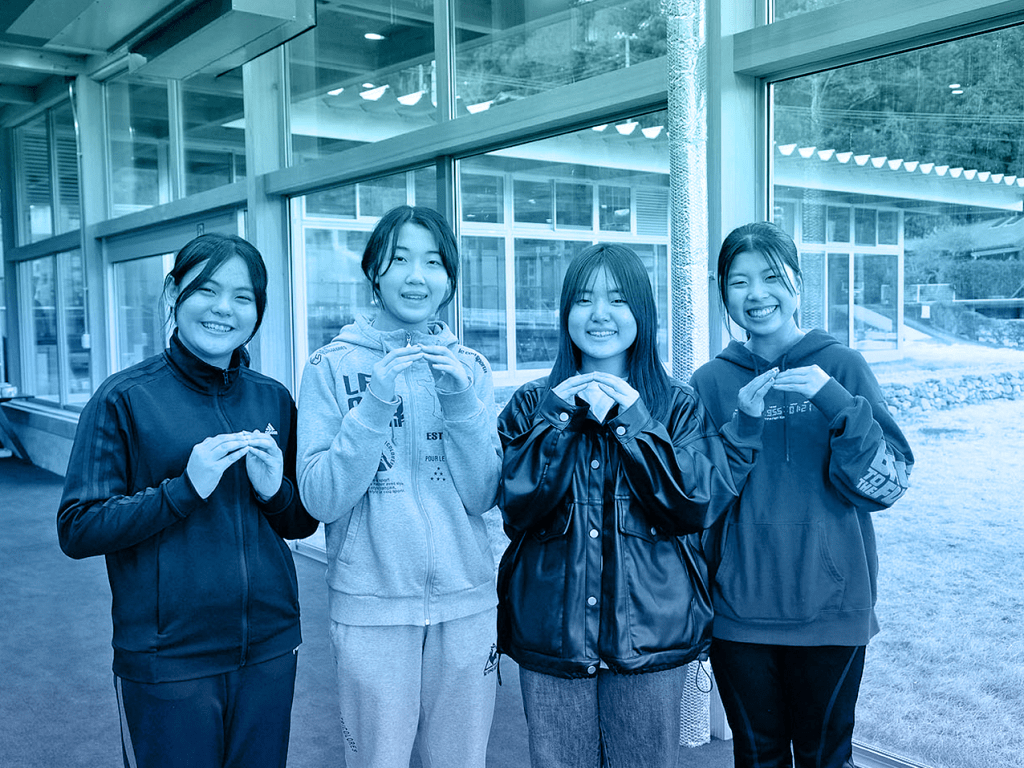
We’re incredibly honored to take part in a global expo that brings together people and ideas from all over the world. Working as a team—each of us contributing our unique strengths and perspectives—has been an invaluable experience as we pursue both our studies and entrepreneurial dreams here in Tokushima. We’re committed to showcasing how Tokushima’s rich and evolving traditions can inspire and connect to the future, and we’ll keep giving it our all to bring that vision to life.
Indigo concrete became a reality thanks to the strong foundation of craftsmanship in Tokushima. When I first set out to combine concrete with indigo, many people told me not to — after all, plenty of plasterers and indigo farmers had already tried and failed. But through that process, I came to realize something important: here in Tokushima, there has always been a spirit of experimentation — a culture of pushing boundaries, of evolving and elevating indigo dyeing to new heights. Craftspeople here aren’t afraid to take on a challenge or try something new. The Expo is the perfect stage to share both the heritage and the innovation of Tokushima with the world. I hope that this new creation — indigo concrete — can help convey that message, and show how tradition and progress can come together in unexpected ways.
Tokushima has long been known for its strong woodworking industry, especially in the Ito district, where many skilled craftsmen live and work. Over time, the industry evolved through a system of divided labor — with each artisan specializing in a specific part of the process. This allowed for deep expertise and the creation of truly unique designs. At Mori Kougei, we’ve been refining our veneer-slicing techniques, and for this Expo, we decided to showcase one of our signature methods. By using the continuous cross-section of a tree trunk, we created a countertop design that evokes the gentle ripples of water. Through this exhibit, we hope to share the story of how Tokushima’s woodworking industry has grown — not just through technical skill, but through the bonds formed between craftsmen working together. It’s those connections that give Tokushima’s woodwork its depth and charm.
Staff Uniform: A Celebration of Tokushima’s Spirit
Concept Theme: "With Gratitude for Tokushima’s History, Nature, and Future"
The staff uniforms for the Tokushima Booth at the Osaka/Kansai Expo are more than just garments—they are living expressions of the region’s rich heritage, vibrant culture, and breathtaking natural landscapes. Designed to reflect a deep sense of gratitude for Tokushima’s past, present, and future, each uniform piece has been carefully crafted to tell a meaningful story rooted in local tradition and community.
Created by BUAISOU, a collective of indigo artisans in Tokushima, this work embodies a rare dedication to craft. BUAISOU oversees every step of the dyeing process—from growing indigo to creating the final product—honoring Tokushima’s legacy of excellence. The materials come from KINOF, a sustainable textile project that transforms thinned cedar from Kamikatsu into eco-friendly fabric. Together, they blend tradition, innovation, and deep respect for nature.
At the heart of the uniform is Awa indigo, a deep, vibrant blue that has long symbolized hospitality in Tokushima. This timeless natural dye links past to present, infusing each garment with both heritage and intention—honoring centuries of craftsmanship while embracing the values of sustainability and mindful design.
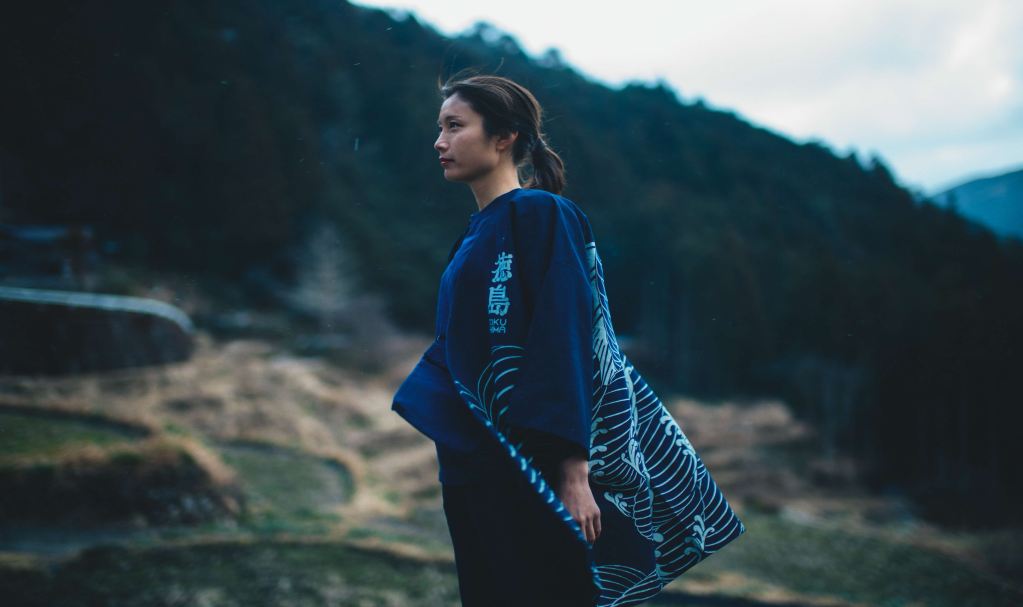
A highlight of the collection is the "Dancing Whirlpool Sea Bream" Indigo-Dyed Happi, a striking coat that features a bold, dynamic sea bream rendered through stencil dyeing with Awa indigo. In Japanese culture, the sea bream is a symbol of good fortune. Here, it is portrayed mid-motion—leaping, swirling, and bursting with life. Whether seen as joyfully dancing or striving to leap into the unknown, the imagery invites interpretation and emotional connection.
The design draws inspiration from two of Tokushima’s most iconic elements: the powerful Naruto whirlpools and the rhythmic celebration of Awa Odori. Like indigo dyeing itself, both are best experienced in person—rich with energy, tradition, and deep sensory impact.
At its core, the uniform also reflects a cherished Tokushima custom: though many residents may leave the prefecture, they return year after year for Awa Odori, reconnecting with their roots through dance and celebration. This sense of homecoming, of shared spirit and belonging, is woven into every thread—inviting all who see or wear it to feel the living heartbeat of Tokushima.









 English
  日本語
日本語